
The psychological effects of gambling understanding the mind's gamble
The Allure of Gambling
The psychological allure of gambling stems from various cognitive and emotional factors. Many individuals are attracted to the thrill and excitement that comes with the possibility of winning. This rush can trigger the release of dopamine, a neurotransmitter associated with pleasure and reward. As players experience small wins, their brains begin to associate gambling with positive feelings, reinforcing the desire to continue playing. In South Africa, many seek out platforms, such as aviator south africa, that offer unique gaming experiences.
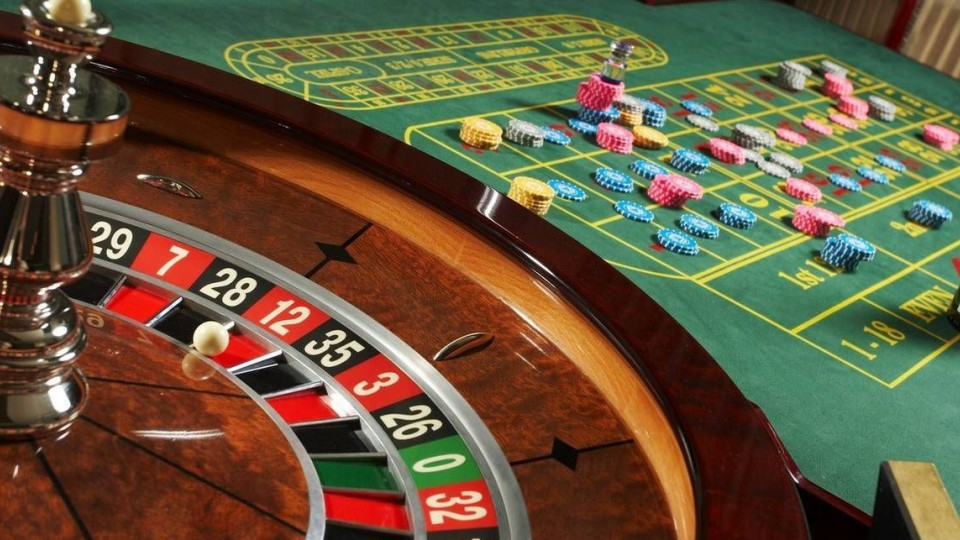
Moreover, the social aspect of gambling enhances its appeal. People often gamble in groups, creating a shared experience that can amplify excitement. Whether in a casino or an online environment, the communal aspect can make the act of gambling feel like a social event, further entrenching individuals in this potentially harmful cycle.
The Psychological Mechanisms at Play
Numerous psychological mechanisms contribute to gambling behavior. Cognitive biases, such as the illusion of control, lead players to believe they can influence outcomes in games of chance. This misguided belief encourages continued participation, even when the odds are statistically against them. For instance, a player might think they are “due” for a win after experiencing a losing streak, which reinforces compulsive gambling habits.
Additionally, variable reinforcement plays a significant role in sustaining gambling behaviors. This means that wins occur sporadically and unpredictably, which can keep players engaged and hopeful for future rewards. The uncertainty of outcomes fuels excitement but can also result in an ongoing cycle of chasing losses, where individuals gamble more in an attempt to recoup their previous losses.
Emotional and Social Consequences
The emotional consequences of gambling can be profound and far-reaching. For many individuals, gambling is a means of escape from stress or emotional distress. However, this temporary relief can quickly turn into a harmful coping mechanism, leading to increased anxiety and depression. As financial problems mount, the emotional toll can escalate, creating a vicious cycle that is hard to break.
Socially, gambling can strain relationships with family and friends. The secrets and lies often associated with problem gambling can lead to feelings of isolation. Furthermore, loved ones may struggle with understanding or accepting the gambler’s behavior, which can create significant conflict and emotional distress within relationships.
Seeking Help and Support
Recognizing the signs of gambling addiction is crucial for recovery. Individuals experiencing negative consequences as a result of their gambling should seek help. Many support groups and counseling services specialize in gambling addiction, offering a safe space for individuals to discuss their experiences and find coping strategies.
Treatment often involves therapy, which can help individuals address underlying emotional or psychological issues that contribute to their gambling behavior. Cognitive-behavioral therapy, in particular, can be effective in helping individuals reframe their thoughts about gambling and develop healthier coping mechanisms.

Exploring Online Gambling Platforms
As online gambling continues to grow in popularity, it’s essential to approach these platforms responsibly. Many websites offer exciting games and engaging experiences, appealing to the thrill-seeker in many players. However, it is vital for users to remain aware of the psychological implications of their gambling behavior and to establish limits.
Players should also consider taking advantage of responsible gaming features provided by many online platforms, such as setting deposit limits and self-exclusion options. Engaging with gambling in a responsible manner can help mitigate potential negative consequences, allowing for a more enjoyable experience without falling into harmful patterns.