
Why Players Choose SOL: Exploring Its Advantages in Gaming
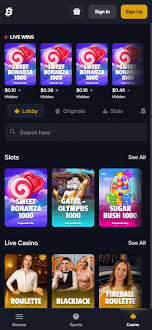
In recent years, the gaming landscape has evolved significantly, with new technologies and currencies carving out their niche. One of the most prominent among these is SOL, a cryptocurrency that has gained traction among gamers. This article delves into the reasons why players are increasingly opting for SOL in their gaming experiences, highlighting its benefits, features, and how it has influenced the gaming environment. For more insights into cryptocurrencies in gaming, check out Why Players Use SOL at Bitfortune Casino Bitfortune com.
The Rise of Cryptocurrency in Gaming
The fusion of cryptocurrency and gaming is not merely a trend; it represents a paradigm shift in how players engage with their favorite titles. Cryptocurrencies offer a decentralized, secure, and efficient means of transactions, making them attractive to gamers who are often wary of traditional banking methods.
What Exactly is SOL?
SOL is the native cryptocurrency of the Solana blockchain, celebrated for its high throughput and low transaction costs. Unlike other more congested blockchains, Solana allows users to perform transactions at lightning speed, which is crucial in the fast-paced gaming world. This efficiency has prompted many game developers to integrate SOL into their ecosystems, creating a direct avenue for transactions between players and developers.
Reasons Players Prefer SOL
1. Speed and Efficiency

One of the standout features of SOL is its speed. Solana boasts transaction speeds that can reach up to 65,000 transactions per second. This level of efficiency means that players can buy, sell, and trade assets within games almost instantaneously, enhancing the overall gaming experience.
2. Low Transaction Fees
The cost of transactions is another vital factor for players. With traditional payment methods, fees can add up, especially for microtransactions. SOL transactions, however, are incredibly low-cost, often just a fraction of a cent. This allows players to engage in frequent transactions without worrying about excessive fees eating into their gaming budget.
3. Ownership and Control
The concept of true ownership is becoming increasingly important to players. With SOL, gamers can truly own their digital assets. Unlike traditional in-game currencies, which can be taken away or devalued by developers, cryptocurrencies allow players to retain control over their investments. They can sell, trade, or hold their assets as they choose, opening the door to a new level of engagement with their games.
4. Integration with NFTs
The rise of Non-Fungible Tokens (NFTs) has revolutionized the way players perceive in-game assets. SOL serves as a backbone for many NFT marketplaces, allowing players to mint, buy, and trade unique items within games. This integration fosters creativity among gamers and developers alike, leading to a more vibrant ecosystem.
5. Enhanced Security
Security is paramount in the digital age, especially when it comes to financial transactions. Blockchain technology, including SOL, offers a high level of security through its decentralized structure. Players can enjoy peace of mind knowing that their assets and transactions are secure from malicious activities.
Impact on Game Development

The influence of SOL on game development is profound. Developers are increasingly adopting SOL in their projects, leading to innovative designs and features that cater to crypto-savvy players. This shift is not only about integrating payment methods but also about creating immersive experiences where players can interact with the blockchain in meaningful ways.
1. Creating Play-to-Earn Models
Play-to-earn models have taken the gaming industry by storm, and SOL plays a significant role in this evolution. Games that utilize SOL allow players to earn cryptocurrency through gameplay, creating a financial incentive to engage with the game. This model has attracted a new demographic of players who are interested in the potential to earn real money while having fun.
2. Expanding Game Economies
The incorporation of SOL into gaming ecosystems has led to the expansion of in-game economies. Developers can design complex systems where assets have real-world value, fostering a more dynamic and engaging environment for players. This paradigm shift has the potential to redefine what it means to be a gamer in the digital age.
Challenges and Considerations
While the advantages of using SOL are clear, there are also challenges that players and developers must consider. The volatility of cryptocurrency prices can impact the perceived value of in-game assets, making it crucial for players to stay informed about market trends. Additionally, regulatory concerns surrounding cryptocurrency can influence how developers implement these systems in their games.
The Future of Gaming with SOL
The potential for SOL in gaming is vast, and as technology continues to evolve, so too will the opportunities for players and developers. As more titles embrace blockchain technology, we are likely to see a surge in unique gaming experiences that leverage the advantages of SOL.
Conclusion
The integration of SOL into the gaming world is a testament to the changing dynamics between players, developers, and digital assets. The benefits of speed, low fees, true ownership, enhanced security, and innovative game design all make SOL an appealing choice for gamers. As the industry continues to evolve, SOL is poised to play a pivotal role in shaping the future of gaming.