
Exploring the cultural significance of gambling through history
The Origins of Gambling
The practice of gambling has roots that trace back thousands of years, intertwining with the development of human civilization. Archaeological discoveries reveal that ancient cultures in China and Mesopotamia engaged in games of chance, often using rudimentary dice made from animal bones. These early forms of gambling provided not only entertainment but also served as rituals tied to luck and fortune, showcasing the inherent human desire for risk-taking and reward. Today, many players seek out the best online gambling sites for new experiences and connections.
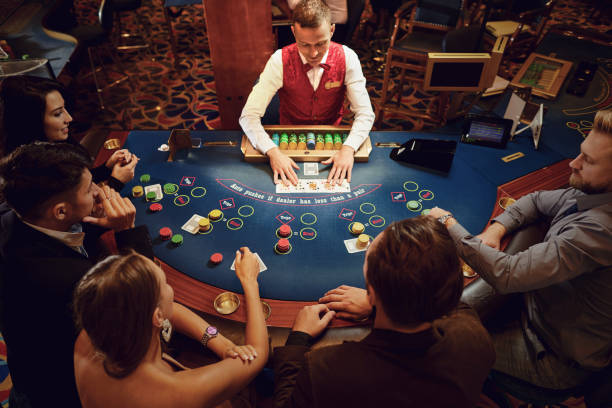
As societies evolved, so did the nature of gambling. The ancient Greeks and Romans incorporated gambling into their daily lives, with various games and betting practices becoming embedded in their social customs. This cultural significance set the stage for gambling to transition from a mere pastime to a structured activity that reflected societal values and beliefs.
Gambling in Cultural Narratives
Throughout history, gambling has been a recurring theme in literature, art, and folklore, emphasizing its deep-rooted significance in various cultures. From Shakespeare’s plays, where gambling appears as a plot device, to modern films that portray high-stakes poker games, these narratives often explore themes of chance, fate, and moral dilemmas. The portrayal of gambling in cultural narratives underscores its ability to reflect human emotions and the complexities of risk.
Moreover, many traditional stories include elements of gambling, often portraying it as a metaphor for life’s uncertainties. This cultural narrative reveals how gambling is not merely about winning or losing but is intertwined with broader human experiences, prompting reflections on luck, fate, and decision-making.
Gambling in Modern Society
In contemporary times, gambling has evolved into a multi-faceted industry, encompassing everything from casinos to online betting platforms. The cultural significance of gambling today can be seen in the social interactions it fosters, as people gather in casinos or online forums to engage in games of chance. This communal aspect highlights how gambling serves as a social lubricant, creating connections among individuals from diverse backgrounds.
Furthermore, the rise of celebrity gamblers has added a new dimension to the cultural landscape of gambling. Public figures and influencers who participate in high-stakes games often become symbols of glamour and risk, shaping public perceptions of the gambling world. Their stories and personas contribute to the mythos surrounding gambling, blurring the lines between entertainment and reality.
The Role of Regulations and Ethics
The cultural significance of gambling cannot be fully appreciated without considering the ethical and regulatory frameworks that have emerged over time. Societies have grappled with the moral implications of gambling, leading to varying degrees of acceptance and regulation across different cultures. These laws often reflect the societal values regarding risk, addiction, and personal responsibility.
As public awareness of gambling addiction has increased, many regions have implemented measures to promote responsible gambling. This shift highlights a growing recognition of the importance of balancing individual freedom with societal well-being, demonstrating that the cultural narrative around gambling is continually evolving as new challenges arise.

Insights and Updates on Gambling Culture
This website serves as a valuable resource for those interested in understanding the complexities of gambling culture. It offers insights into the latest trends and developments within the gambling industry, ensuring readers stay informed about the cultural significance of gambling in various contexts. Through articles and updates, users can explore the diverse aspects of gambling, from historical perspectives to modern implications.
Engaging with this platform allows individuals to gain a deeper appreciation for gambling’s role in society, highlighting its impact on culture, economy, and personal experiences. By staying informed, readers can participate in discussions that shape the future of gambling and its significance in our lives.